
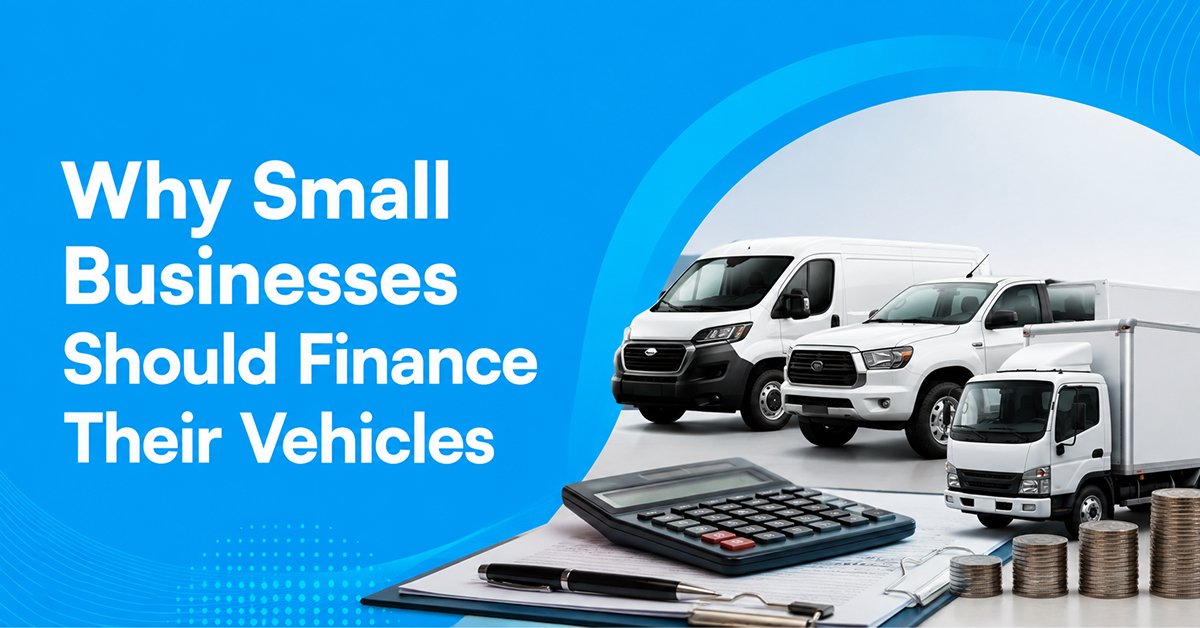
Why Small Businesses Should Finance Their Vehicles
For many small businesses, a vehicle is more than transport. It is a working asset that helps deliver products, visit customers, carry tools, move equipment and keep daily operations running smoothly.
Whether you operate in transport, trades, construction, delivery, logistics or field services, having the right vehicle can support business growth. But buying a vehicle outright can place pressure on cash flow. That is why many business owners choose small business vehicle finance instead of paying the full amount upfront.
Vehicle finance can help businesses access the vehicle they need while spreading the cost over time.
Why Vehicle Finance Makes Sense for Small Businesses
Small businesses often need to protect working capital. Paying cash for a vehicle may reduce funds needed for wages, stock, marketing, equipment or day-to-day expenses.
With vehicle finance for small business, you may be able to:
Preserve cash flow
Purchase a new or used business vehicle
Upgrade to a more reliable vehicle
Choose repayment options that suit your budget
Build or expand a business fleet
Access vehicles sooner
Support business operations without a large upfront payment
Business.gov.au notes that motor vehicle expenses may be deductible business expenses, depending on the situation, and recommends speaking with an accountant, business adviser or the ATO if unsure about deductions.
Common Vehicle Finance Options
There are different finance options available for small businesses. The right choice depends on your business structure, vehicle use, repayment ability and ownership goals.
Common options include:
Chattel mortgage
Finance lease
Commercial hire purchase
Business vehicle loan
Novated lease
Business loan
Before choosing any finance product, it is important to compare the full cost, repayment terms, fees and conditions.
1. Chattel Mortgage
A chattel mortgage is a popular option for business vehicle finance. Under this structure, the business usually takes ownership of the vehicle from the start, while the lender holds security over the vehicle until the loan is repaid.
A chattel mortgage may suit businesses that want:
Vehicle ownership from the beginning
Fixed repayment options
Flexible loan terms
Potential tax benefits
A structured commercial vehicle finance solution
This option is commonly used for commercial vehicle finance, trucks, utes, vans and work vehicles.
2. Finance Lease
A finance lease may suit businesses that want to use a vehicle without buying it outright at the start. The business makes regular lease payments over an agreed term.
A finance lease may offer:
Lower upfront cost
Predictable repayments
Access to newer vehicles
Option to upgrade at the end of the lease
Flexibility for growing businesses
This can be useful for small businesses that need reliable vehicles but want to manage cash flow carefully.
3. Commercial Hire Purchase
Commercial hire purchase is another vehicle finance option where the business hires the vehicle over a fixed term and ownership may transfer after the final payment, depending on the agreement.
Commercial hire purchase may suit businesses that want:
A clear repayment plan
Use of the vehicle while paying it off
A pathway to ownership
Fixed finance terms
Long-term vehicle use
It can be a practical option for businesses that want to own the vehicle after completing repayments.
Benefits of Financing a Business Vehicle
Better Cash Flow Management
Instead of paying a large amount upfront, finance allows the business to spread the cost over time. This can help protect cash flow and keep funds available for other business needs.
Flexible Repayment Options
Many finance options allow businesses to choose repayment terms that suit their budget. Some finance products may also include balloon or residual payment options. Money-Smart explains that a balloon payment is a final lump sum payable at the end of the loan and recommends being confident you can pay it when due.
More Vehicle Choices
Finance can give small businesses access to better vehicle options. This may include newer vehicles, safer models, fuel-efficient options or vehicles better suited to business operations.
Potential Tax Benefits
Depending on the finance structure and business use, some businesses may be able to claim certain vehicle-related expenses. However, tax outcomes vary. Always speak with an accountant or tax adviser before making a decision.
What to Check Before Applying
Before applying for business vehicle finance, small business owners should review:
Vehicle price
Deposit amount
Interest rate
Loan term
Repayment frequency
Fees and charges
Balloon payment
Total repayment amount
Business cash flow
Tax and accounting impact
The best finance option is not always the one with the lowest monthly repayment. It should suit your business goals and repayment capacity.
Why Work with a Finance Specialist?
Comparing lenders and finance products can be time-consuming. A finance specialist can help explain your options, compare structures and guide you through the application process.
At Uniko Capital, small business owners can explore options such as commercial vehicle finance, truck finance and business loans based on their needs.
Whether you need one vehicle or want to grow a fleet, choosing the right finance structure can help your business move forward with more confidence.
Final Thoughts
Vehicle finance can be a smart option for small businesses that need reliable transport without using all available cash upfront. With options such as chattel mortgage, finance lease, commercial hire purchase and business vehicle loans, business owners can choose a structure that suits their cash flow and goals.
Before applying, compare your options carefully and get professional advice where needed.
If your business is ready to buy or upgrade a vehicle, speak with Uniko Capital and explore a finance solution that works for your business.
CTA: Apply for vehicle finance today with Uniko Capital.
Disclaimer: This blog provides general information only and does not constitute financial, tax or legal advice. Finance approval, rates and terms depend on lender criteria and individual circumstances