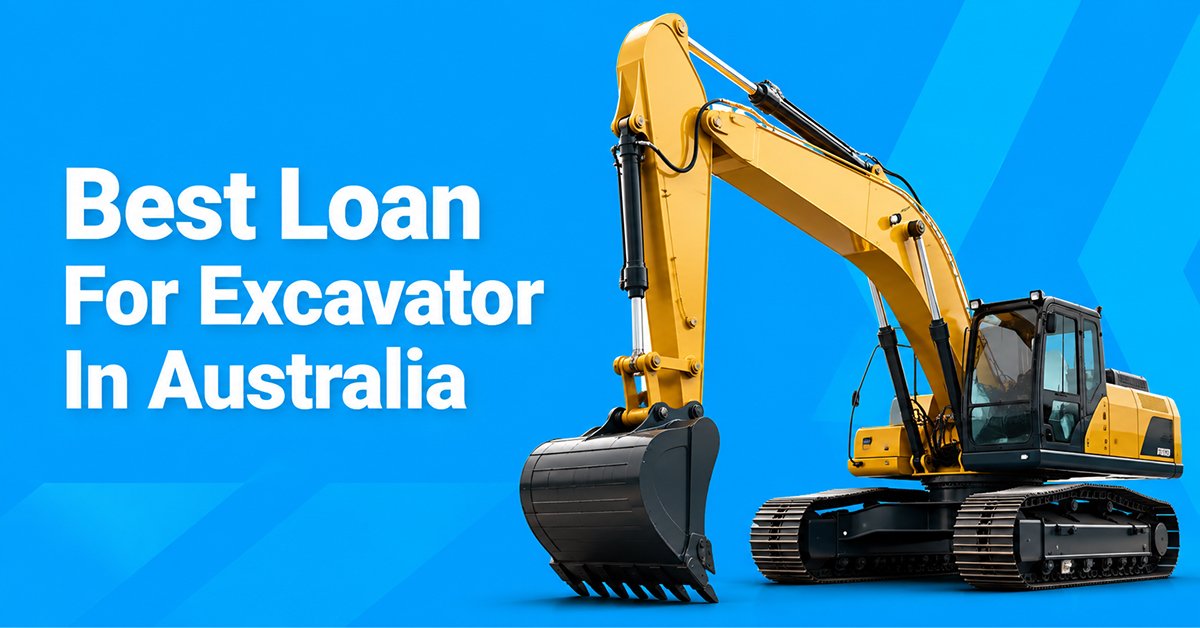
Best Loan for Excavator in Australia
Buying an excavator is a major investment for any business. Whether you work in construction, civil works, mining, earthmoving, demolition, infrastructure or materials handling, an excavator can become one of the most important assets in your operation.
However, purchasing an excavator outright can require a large upfront payment. That is why many business owners look for an excavator loan Australia option before buying a new or used machine.
At Uniko Capital, we help businesses explore suitable excavator finance, equipment finance Australia and heavy equipment finance options based on their needs, budget and business goals.
Why Excavator Finance Can Help Your Business
An excavator is not just a machine. It can help your business complete projects faster, handle heavier work, improve productivity and take on larger jobs.
With the right excavator loan, your business may be able to:
Purchase a new excavator
Finance a used excavator
Preserve working capital
Upgrade old machinery
Increase work capacity
Bid for bigger projects
Manage repayments over time
Instead of carrying the full financial burden upfront, finance can help spread the cost of the equipment across an agreed repayment term.
New and Used Excavator Loan Options
Uniko Capital can help customers explore finance for both new and used excavators.
New Excavator Loans
A new excavator may suit businesses that want:
Latest machine technology
Better performance
Manufacturer warranty
Lower early maintenance risk
Long-term reliability
Stronger productivity for major projects
Used Excavator Finance
A used excavator may suit businesses that want:
Lower purchase cost
Faster availability
Lower finance amount
Strong value from the second-hand market
Machinery that suits current project needs
Before buying a used excavator, check the machine age, service history, usage hours, condition and suitability for your work.
What Determines the Excavator Loan Amount?
The loan amount may depend on several factors, including the machine type, age, value and business profile.
Lenders may consider:
Excavator size
New or used condition
Machine age
Purchase price
Business income
Trading history
Credit profile
Deposit amount
Repayment capacity
Asset value
A heavy-duty excavator with higher performance and strength may require a larger loan amount. Smaller machines may be easier to finance depending on the business and lender requirements.
Popular Finance Options for Excavators
There are different ways to finance an excavator in Australia. The right option depends on your business structure, cash flow and ownership goals.
Common options include:
Equipment loan
Chattel mortgage
Machinery finance
Equipment leasing
Asset finance
Business loan
A finance broker can help compare options from banks, specialist asset finance lenders and other finance providers.
Why Work with an Asset Finance Broker?
Choosing the best excavator loan can be difficult when there are multiple lenders, loan types, rates and repayment structures to compare.
Uniko Capital can help by:
Understanding your business needs
Comparing available finance options
Reviewing lender requirements
Helping prepare your application
Explaining repayment options
Supporting new and used excavator finance
Helping make the process smoother
If your business does not fit standard lending criteria, a well-prepared application may help lenders better understand your situation.
Excavator Finance for Different Industries
Excavator finance can support many industries across Australia.
Common industries include:
Civil works
Construction
Mining
Earthmoving
Demolition
Infrastructure
Landscaping
Roadworks
Drainage projects
Materials transfer
Whatever the purpose, from digging and earthmoving to demolition and loading, the right excavator can help improve efficiency and productivity.
Documents You May Need
Before applying for an excavator loan Australia, prepare your documents properly.
You may need:
ABN details
Driver licence
Business bank statements
Financial documents
Excavator quote or invoice
Auction details, if applicable
Proof of income
Asset and liability details
Different lenders may ask for different information depending on the machine, loan amount and business profile.
Tax and Accounting Considerations
There may be tax and depreciation considerations when buying business equipment. These can depend on your business structure, asset cost, usage and current tax rules.
Before making a decision, speak with your accountant or tax adviser to understand how excavator finance may affect your business.
Safety and Compliance Considerations
Before purchasing or operating heavy machinery, businesses should also consider safety, maintenance and compliance requirements.
This may include:
Operator training
Machine maintenance
Insurance
Site safety
Risk management
Equipment condition
Workplace safety obligations
Choosing the right machine and maintaining it properly can help support safer and more efficient operations.
Final Thoughts
Finding the best loan for an excavator in Australia depends on your business needs, machine type, cash flow and repayment capacity.
Whether you are buying a new excavator, used excavator or heavy-duty machine for business use, Uniko Capital can help you explore flexible excavator finance Australia, machinery finance and heavy equipment finance options.
If you are ready to purchase an excavator, speak with Uniko Capital today and find a finance option that supports your business growth.
CTA: Get an excavator loan quote with Uniko Capital today.
Disclaimer: This blog provides general information only and does not constitute financial, tax or legal advice. Finance approval, rates, terms and conditions depend on lender criteria and individual circumstances.